

Homemade Raw Fermented Sauerkraut
Kathy TimmermanisDo you like fermented food? Do you eat fermented food? If you said yes and yes — that is awesome! If not… there is no time like the present to give it a try!
Fermented foods are foods or beverages that are produced through controlled microbial growth. There are two main methods when food is fermented: it can either be done naturally where the microorganisms are present in the raw food or processing environment, or where a starter culture is added to start the fermenting process. Examples of naturally occurring fermentation include sauerkraut and kimchi. Products such as kefir, kombucha, and natto have a culture added to start the fermentation process. During fermentation, bacteria and yeast consume biodegradable material such as starches and sugars and create byproducts such as alcohol, lactic acid, and carbon dioxide that result in bubbles and added flavor.

The process of fermenting food is not new—this practice has been around for thousands of years to preserve foods. Today, fermented foods continue to rise in popularity because of the taste and health benefits.
One of the biggest benefits of fermented foods is the probiotics they offer our gut biomes. Fermented foods contain beneficial bacteria which help the body and the immune system function better. Supporting one’s gut health is increasingly important as modern diets, antibiotics, additives, and environmental toxins can disrupt our microbiome. For more info on gut health, read this article.
Some of the most common fermented foods on the market today are yogurt, kefir, kombucha, sauerkraut, pickles, miso, tempeh, kimchi, sourdough bread, and some cheeses. When buying these, look for labels like “contains probiotics,” “naturally fermented,” or “contains live cultures,” and avoid pasteurized versions (pasteurization destroys probiotics). You’ll usually find them refrigerated.
It’s a good idea to incorporate fermented foods into your diet to help build healthy bacteria in your gut. Also include prebiotic foods so these bacteria have something to feed on. Examples include garlic, onions, apples, dandelion greens, ground flax seeds, oats, underripe bananas, asparagus, Jerusalem artichokes, and seaweed.
Check out this method for making raw fermented sauerkraut at home!
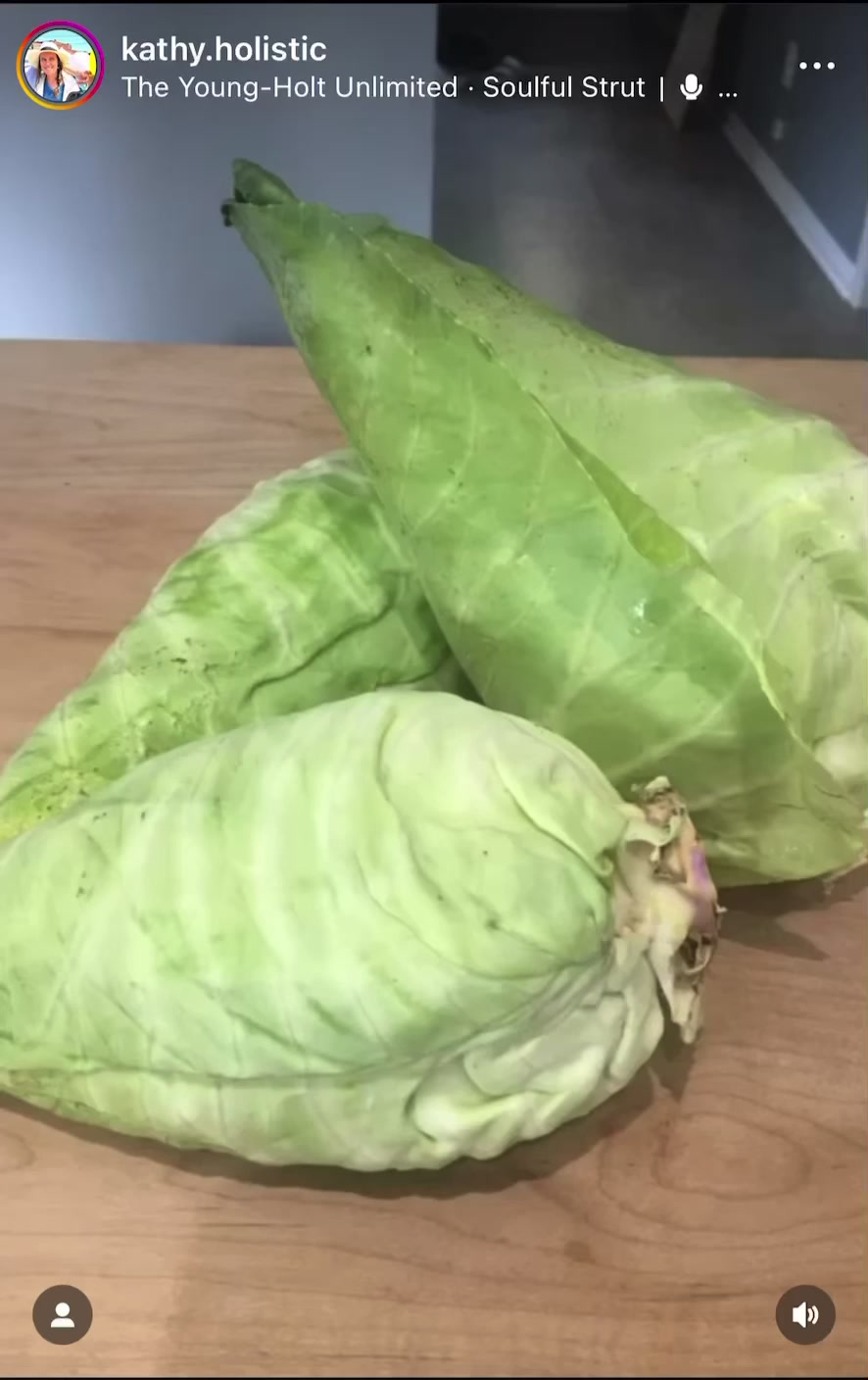
Homemade Raw Fermented Sauerkraut
Equipment
- Knife
- Cutting board
- Large mixing bowl
- 1 L jar
- Cloth (breathable cotton) to cover jar, elastic band
- Weight (to fit inside the jar)
Ingredients
- 1 small head of cabbage
- 1 tsp natural salt (Himalayan, Redmond’s Real Salt, or sea salt)
Optional additions
- ¼ tsp fennel, cumin, mustard, or caraway seeds
- 2 tbsp finely chopped seasonal greens (parsley, dill, lemon balm, sorrel, dandelion, chives, etc.)
Method
- Remove and set aside a large outer cabbage leaf.
- Shred the cabbage.
- Place in a large bowl and mix in the salt. Let sit for 30–60 minutes to draw out water; this becomes the brine.
- Squeeze and massage until enough juice is released (you should be able to squeeze the cabbage and see a stream of liquid).
- Mix in any optional ingredients.
- Pack into the jar as tightly as possible, leaving at least 2 inches of headspace for expansion.
- Place the outer cabbage leaf on top, press down to keep everything submerged, and add a weight.
- Set the jar in a bowl to catch overflow. Cover with cloth and secure with an elastic band. Store in a cupboard; press down daily if needed to keep contents submerged.
- Ferment 5–10 days, depending on room temperature.
- When ready, remove the top leaf and any discolored pieces exposed to air. Seal with a lid and refrigerate.


